Can You Use a Pressure Washer on a Car?
July 16, 2025
Pressure washers are powerful, no doubt. But the question remains—should you aim that high-pressure blast at your car’s paint job? If you’ve ever been tempted to use one for a fast, satisfying clean, you’re not alone. It’s a common question with a few layers to unpack.
Let’s break down the pros, the risks, and how to do it right—without leaving your car looking like it went through a war zone. Oh, and if you’re anywhere near Westgreen Park in Katy, Texas, we’ll tell you why Smileys Katy Car Wash might be the better choice.
What Is a Pressure Washer, Anyway?
Before we start blasting grime, it helps to understand what we’re dealing with.
Types of Pressure Washers
Pressure washers come in two flavors—electric and gas-powered. Both shoot water through a nozzle at high speed, but their differences matter when we’re talking about cars.
Electric vs. Gas-Powered
Electric washers are generally less powerful, quieter, and easier to control. Perfect for light-duty tasks like car washing.
Gas-powered ones? Think industrial strength. Great for cleaning driveways… not so great for your car’s delicate paint.
PSI and GPM: What Do They Mean?
- PSI (Pounds per Square Inch) = water pressure.
- GPM (Gallons per Minute) = water flow.
Together, they determine how intense the spray is. For cars, this matters a LOT.

The Pros of Using a Pressure Washer on Your Car
Yes, you can use one—and when done right, it’s actually awesome. A pressure washer can be your best friend when it comes to keeping your car clean without spending hours on it.
Saves Time and Effort
Let’s be real: buckets and sponges are old-school. A pressure washer can cut your car washing time in half—and you don’t have to break a sweat. Instead of filling up multiple buckets and scrubbing endlessly, you can blast away dirt in minutes. It’s a game-changer for busy car owners who want quick results without compromising on cleanliness.
Plus, when you’re dealing with stubborn mud or dried bird droppings, a pressure washer does what elbow grease can’t. It takes the hassle out of regular maintenance and makes washing your car feel less like a chore and more like a power move.
Deep-Cleans Hard-to-Reach Areas
Grime loves hiding in wheel wells, under panels, and in seams—places that are nearly impossible to clean with a sponge. A pressure washer reaches these tricky spots without you having to crawl around or contort your body like a yoga instructor.
Think of it like flossing for your car—getting into all those hidden gaps where dirt likes to settle. It’s especially helpful for removing salt in winter months or caked-on mud after off-roading. You’ll notice a difference in overall cleanliness and even longevity—those hidden spots won’t corrode or rust as fast when they’re regularly cleaned.
Ideal for Pre-Wash Rinses
Before you even touch your car with soap, a pressure washer rinses off the loose dirt, dust, pollen, and sand. This pre-rinse is crucial. Why? Because dragging a sponge over dry dirt is like rubbing sandpaper against your paint. That’s a fast-track to swirl marks and micro-scratches.
By pressure rinsing first, you give your car a fighting chance to stay swirl-free. It’s like prepping a canvas before you start painting—get the surface clean, then go in with the details. Use a wide-angle nozzle and work from top to bottom to guide all that grit safely to the ground.
The Risks of Pressure Washing Your Car
Here’s where things get tricky. Pressure washers can be great tools, but they’re not foolproof. Using too much force or ignoring technique can do more harm than good—and fixing paint or electrical damage can get expensive fast.
Damage to Paint and Trim
Let’s not sugarcoat it: if you use the wrong PSI or nozzle, you can blast the clear coat right off your car. Worse, you can peel paint, dent panels, or break delicate trim. High pressure aimed directly at one spot can erode soft surfaces in seconds.
Trim pieces, decals, and plastic moldings are especially vulnerable. If you aim a high-powered stream too close, you might loosen or snap them right off. And let’s not forget chrome finishes—they may look tough but are surprisingly delicate under extreme pressure.
The best way to avoid this? Stick to a safe PSI (1,200–1,900), keep your distance (at least 12 inches), and always use a fan-style nozzle like 25° or 40°.
Water Infiltration in Sensitive Areas
Modern cars are like rolling computers—filled with sensors, wiring, and electronics. High-pressure water can sneak past seals and force its way into places it doesn’t belong, like door panels, headlight casings, trunk seals, and under the hood.
This can lead to all kinds of issues: electrical glitches, short circuits, warning lights on your dash, or even water-damaged interior components. Ever had a trunk that smells musty after washing? Water intrusion might be the culprit.
The fix: avoid spraying directly at seals or around electronic connectors. Angle your spray away from vulnerable spots and don’t dwell too long on one area.
Scratching from Improper Technique
Ironically, one of the biggest risks from pressure washing has nothing to do with pressure—it’s what happens after. If you skip the pre-rinse and go straight in with a sponge or wash mitt, you’re likely grinding debris into the paint. That can leave behind scratches, swirl marks, and dull spots.
Even worse, some people use stiff brushes or shop towels on a wet car, thinking they’re helping. In reality, they’re just scraping the surface.
This is why it’s essential to:
- Always pre-rinse.
- Use clean microfiber towels.
- Avoid circular motions when washing or drying.
- Rinse your mitt frequently during a hand wash.
A pressure washer helps, but only when it’s part of the right technique, not a shortcut.

What’s a Safe PSI for Washing a Car?
Here’s the golden rule: lower is better.
Recommended PSI Range
Stick to 1,200–1,900 PSI for car washing. Anything above 2,000 PSI is flirting with disaster—unless you’re cleaning mud off a Jeep.
Nozzle Types That Matter
Use a 25- or 40-degree nozzle. These spray wider and reduce intensity. Never, ever use a zero-degree nozzle. That thing can dent metal.
Step-by-Step: How to Pressure Wash Your Car Safely
Step 1: Rinse with the Right Nozzle
Start with a wide spray at a safe distance (at least 2–3 feet away). Go top to bottom—gravity is your friend.
Step 2: Use a Foam Cannon or Detergent Attachment
Lather up with car-specific soap using a foam cannon or the washer’s detergent setting. Let it sit for 2–3 minutes. Don’t let it dry out.
Step 3: Rinse from Top to Bottom
Once the soap’s done its magic, rinse thoroughly, again from the top down. This avoids streaks and missed spots.
Step 4: Dry Immediately with a Microfiber Towel
Water spots are the enemy. Grab a clean microfiber towel and dry your car thoroughly. Or better yet—use a leaf blower.
Mistakes to Avoid When Using a Pressure Washer on a Car
Some things you just don’t do.
Holding the Wand Too Close
Don’t get cocky. Keep the nozzle at least 12 inches away from your car. Too close = paint damage.
Using the Wrong Nozzle
Zero-degree nozzles are basically knives. Stick to 25° or 40°, as mentioned earlier.
Skipping the Pre-Rinse
Dry dirt + high pressure = scratches. Always rinse before applying soap or touching the paint.
What About Engine Bays and Wheels?
This part needs extra caution.
High-Pressure Risks in Engine Bays
Pressure washers and engine components don’t mix well. If you must clean the engine, cover electronics and use low pressure only.
Safely Cleaning Tires and Rims
Feel free to go a bit stronger here—up to 2,000 PSI is okay for wheels and tires. Just avoid spraying brake calipers or sensors.
Can You Use a Pressure Washer on a Ceramic-Coated Car?
Yes, but gently.
Ceramic coatings are durable, but they’re not invincible. Stick to a 40-degree nozzle and low pressure. Better yet—use a foam cannon and rinse method to preserve that glossy shield.
Smileys Katy Car Wash: A Safer, Smarter Option
If you’re near Centerbrook Ln. & OrchardBrook Dr., right by Westgreen Park, you’ve got a better option than doing it all yourself.
Professional Equipment with the Right Pressure
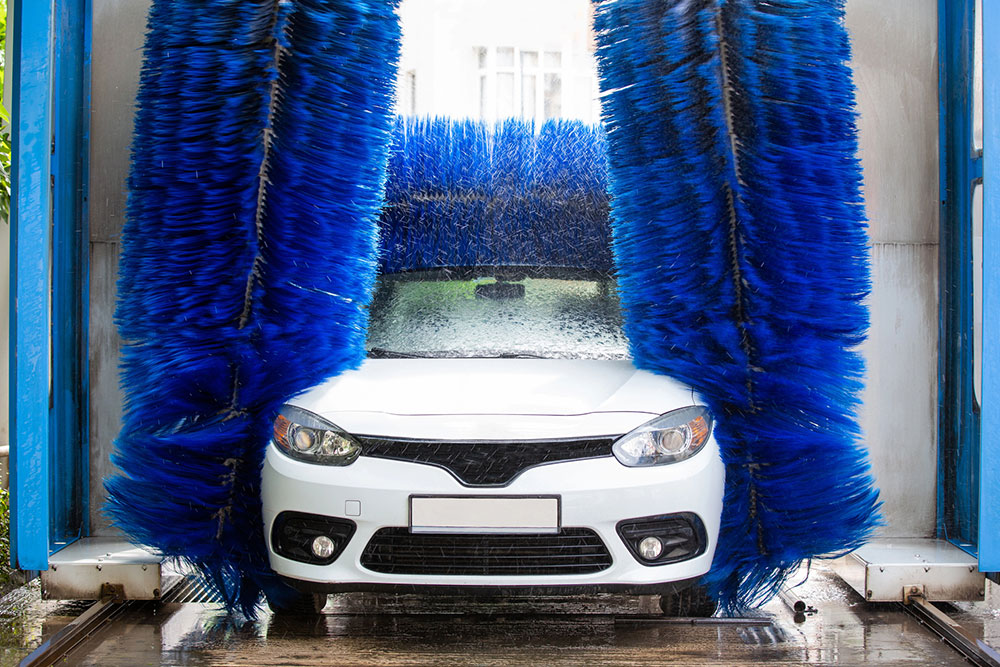
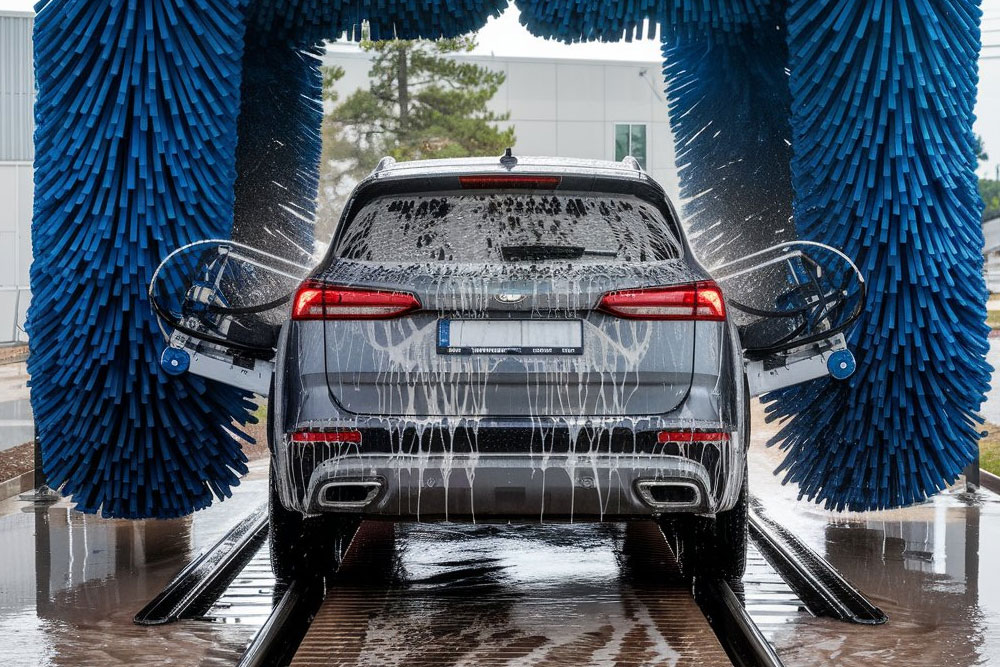
At Smileys Katy Car Wash, every system is calibrated to wash cars without harming your paint. They use the right PSI, gentle soap, and high-end brushes (or touchless if you prefer).
Touchless Drive-Thru and Hand-Dry Finish
Want a perfect finish without lifting a finger? Smileys offers drive-thru options that won’t scratch your paint and hand-dry services so you roll out spotless—no watermarks, no worries.
It’s fast, affordable, and your car will thank you.
Smileys Katy Car Wash Serving the Kelliwood Lakes Community and Beyond in Katy
Smileys Katy Car Wash is dedicated to serving the diverse needs of the local community of Katy, including individuals residing in neighborhoods like Kelliwood Lakes. With its convenient location near landmarks such as the Garland McMeans Junior High School and major intersections like Hidden Shore Dr. & Shore Castle Ct. (coordinates: 29.743479208029598, -95.73313549999999), we offer monthly car wash subscription Katy TX services.
Get Monthly Car Wash Subscription Katy TX Services at Kelliwood Lakes Now
Navigate from Kelliwood Lakes to Smileys Katy Car Wash Now
Pressure Washing Your Car the Right Way—Or Let the Pros Handle It
Can you use a pressure washer on a car? Absolutely. But only if you know what you’re doing.
Stick to the right PSI, choose a wide-angle nozzle, avoid high-pressure blasts on sensitive spots, and always rinse before you scrub. But if you’re unsure or just don’t want the hassle, Smileys Katy Car Wash has your back. You get the shine without the stress.
FAQs
1. Is it safe to pressure wash under the car?
Yes, but be cautious around rust-prone areas and avoid hitting brake lines or sensitive components directly.
2. How often can I pressure wash my car?
Once every two weeks is fine if done properly. Too often at high pressure might wear down protective coatings.
3. Can I use a pressure washer in winter?
Yes, just make sure temperatures are above freezing to prevent water from freezing on the car or in the pressure washer.
4. Should I wax my car after pressure washing?
It’s a great idea! A clean, dry surface is perfect for applying wax or sealant to protect the paint.
5. Why choose Smileys Katy Car Wash over DIY?
Smileys uses commercial-grade systems designed for cars, so you don’t have to worry about technique or damage. Plus, it’s fast, local, and gets professional results every time.
Smileys Car wash
How a Drive-Thru Car Wash Saves You Time Without Sacrificing Quality
In today’s fast-paced world, every minute counts. From juggling work meetings to family errands, finding time for car care often slips down our priority list. Yet a clean car is more than aesthetics—it’s protection for your investment, a reflection of your style, and a boost to your confidence on the road. That’s where drive-thru car…Is It Better To Hand Wash Your Car Or Go Through A Car Wash?
Keeping your car clean is about far more than appearances—it’s about protecting your investment and maintaining its value. Driving around Kelliwood Courts, your car encounters everything from dust and pollen to bird droppings, road salt, and tree sap. Each of these seemingly minor annoyances can slowly degrade your paint, finish, and even the metal beneath…How Do Monthly Car Wash Memberships Work?
Let’s be honest—keeping your car spotless can be a full-time job. Between commuting, running errands, and chasing after family or pets, washing your car regularly often gets pushed to the bottom of your to-do list. Enter monthly car wash memberships: a simple, stress-free way to keep your vehicle looking pristine while saving money and time….

Smiley’s Katy Car wash Express
Katy’s Ultimate Shine Destination
At Smiley’s Katy Car Wash Express, we’re dedicated to providing the ultimate car care experience in Houston. Our expert team, eco-friendly products, and state-of-the-art equipment ensure your car gets the best treatment it deserves. Whether it’s a quick wash or a full detailing, we go above and beyond to deliver spotless results and unmatched customer satisfaction.
Don’t wait to give your car the care it needs. Drive into our convenient location or book your appointment online today! Let’s make your car shine brighter than ever — because a clean car isn’t just a service, it’s a promise. Book Now!
Call Us now!
(346) 463-3470